Watch the videos to learn more about each section and read stories from the heroes who share their first hand experiences. The guide to the world of atoms is played by Roman Evdokimov.
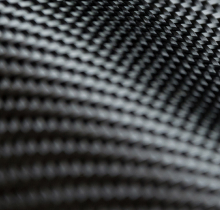
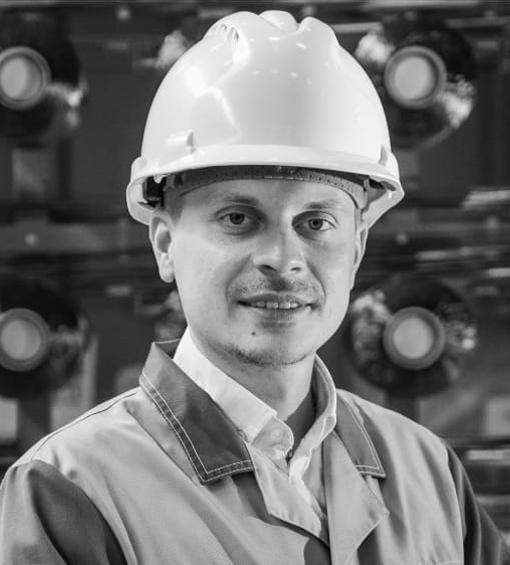

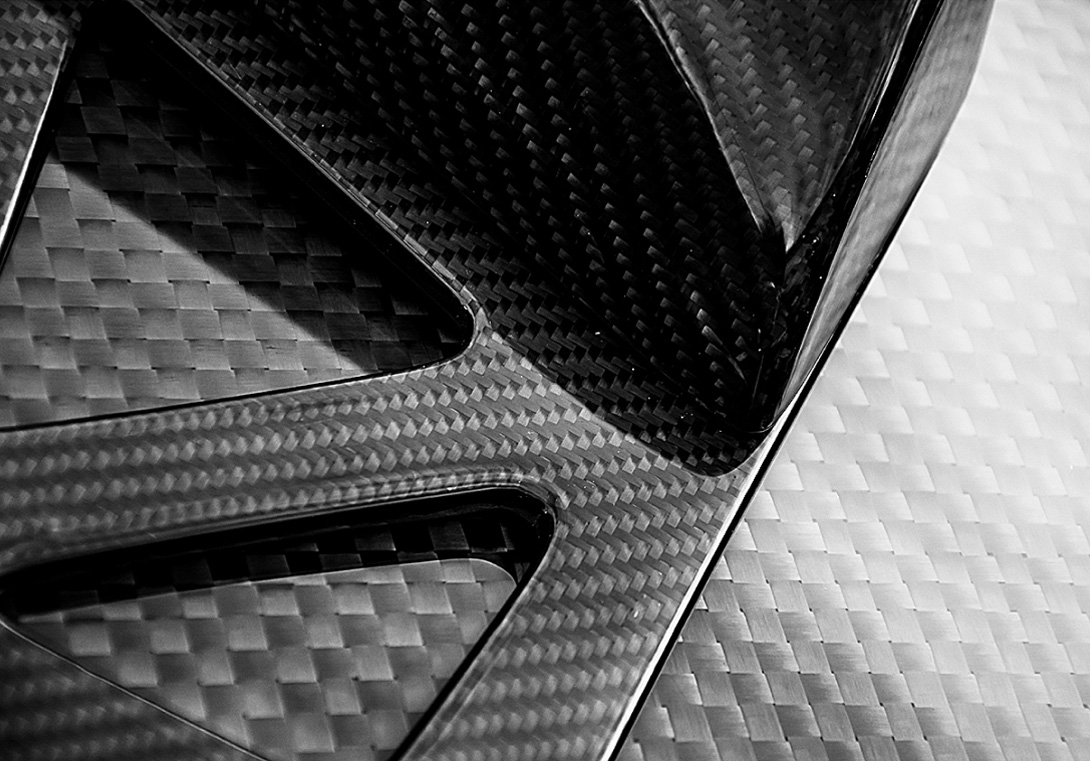
Our laboratory deals with composites — complex compounds consisting of several components, in which physical and often chemical properties can differ significantly. Still, when combined, a fundamentally new material with independent characteristics is obtained. All of these are used in aviation, mechanical engineering, and sports. Let’s take, for instance, an ice hockey stick. When they hold it in their hands, people do not really think about how much work has been invested in it. Simultaneously, to develop the material which its made of could take, for example, a year — not much less than the creation of a pre-preg for an airplane wing. The difference in responsibility is enormous. If a stick breaks, the hockey player takes a new one. If something happens to a plane, the consequences, you know, can be tragic. Therefore, in each case, our work resembles the creation of a tree from scratch. For the right apple to appear at the top, you need not just understand the root system, not just nurture it, but in a sense, create it.
As a rule, people enter our industry in two ways. Some are led by an interest in science, their technical mindset. For some, it’s a family tradition when people stay in this industry for many generations, like actors, for example. The father tells the child about his work; the child slowly absorbs it and unwittingly begins to interest. My case is the former. I got acquainted with composites by chance, and it took me ten years to get to the place where I’m now. At the same time, my eight-year-old son already knows how each pre-preg is made, understands the technology, knows where and by what industries carbon fiber is used. Which by the way, many call just carbon, and it’s not entirely correct — but he does not make this mistake at his age. When I talk about work, about how the day went, he understands it more or less; he can already build a logical chain in his head. I think that’s enough for eight years.
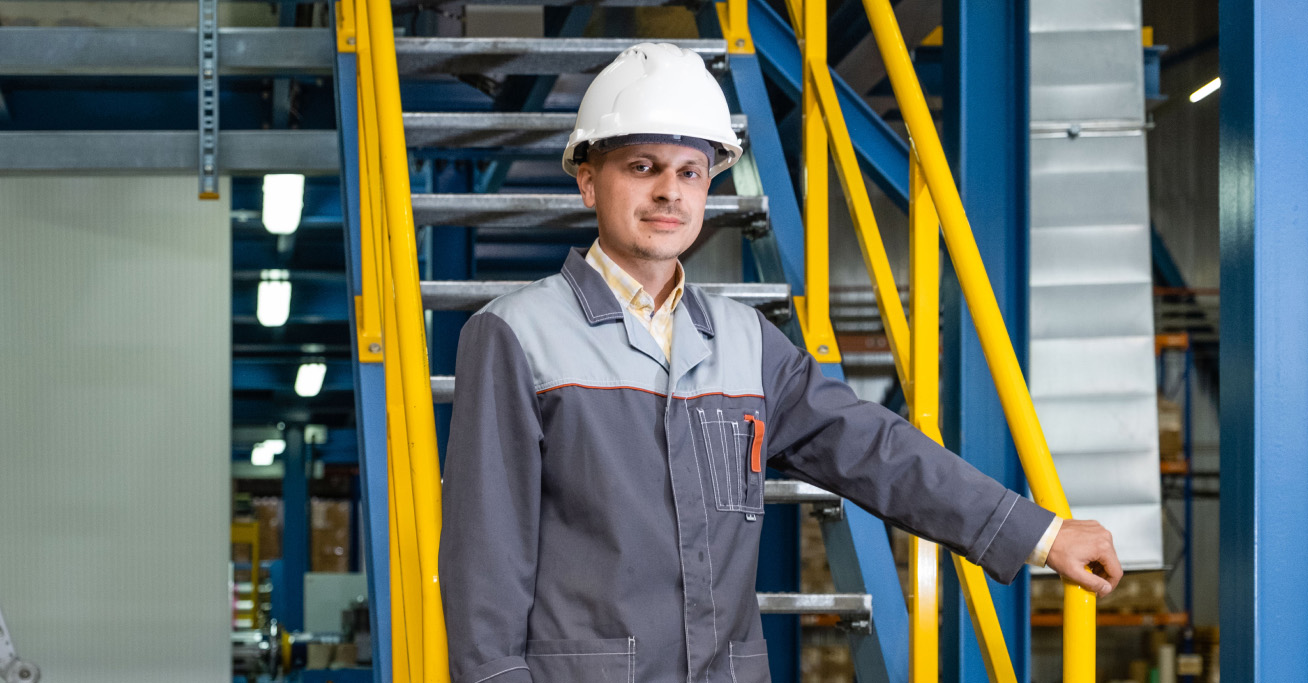
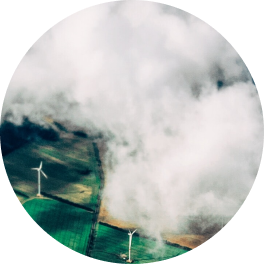
No photo, no video will convey that power will not bring the feeling you get when you stand by the wind turbine’s foot. The height of the wind generator is about 150 meters; it’s like a 45-story building. And suppose you are inside a wind farm, and wind turbines surround you from all sides. In that case, it is generally an incomparable, unforgettable feeling. I still remember when I felt it for the first time.
Three generations of our family have been connected to Rosatom in one way or another. My parents work in areas that are, broadly speaking, engaged in ensuring the reliability, no matter how pretentious it may sound, of the Russian nuclear shield. I started with purely scientific activity, and over time I gradually switched to wind energy. At the moment, it is at the forefront of science in the field of technologies, new materials, and physics. That is both very modern and remarkably interesting.
NovaWind is a division of Rosatom, which combines all the existing achievements in this field. Wind energy is only a part of a very large-scale process. So far, we have been expanding in this direction as much as we can. But NovaWind also includes the use of solar energy, smart energy consumption, and planning a full cycle for large enterprises’ waste disposal. All of this is new and green energy.
Rosatom is a corporation of knowledge, new technologies, new materials, and the most advanced Russian science developments. In this sense, the nuclear power plant is the main brainchild, the crown jewel of creation, if you like. However, the wind energy represents the same symbiosis of acquired scientific experience and continuously updated knowledge working at the limit of all available resources. Of course, we have many intersections with the nuclear industry, not to mention the fact that all together, this is a part of a more extensive process.
Composite materials are in high demand wherever lightness and strength are a priority. First of all, in aviation, fuel consumption depends on the weight of the aircraft. For instance, Rosatom is currently testing composite materials to manufacture parts for new ultra-modern airplanes and helicopters. In the automotive industry, the composites can be found in sports vehicles, Formula 1 race cars, both exclusive and electric vehicles. Sustainable power solutions are yet another application for this lightweight and durable compound; composite materials are perfect for wind turbine blades. Moreover, it is impossible to imagine modern sports equipment without composite materials — ice hockey sticks, skis, snowboards, tennis rackets, surfboards, bicycle frames, and safety helmets are just a few examples.