Watch the videos to learn more about each section and read stories from the heroes who share their first hand experiences. The guide to the world of atoms is played by Roman Evdokimov.
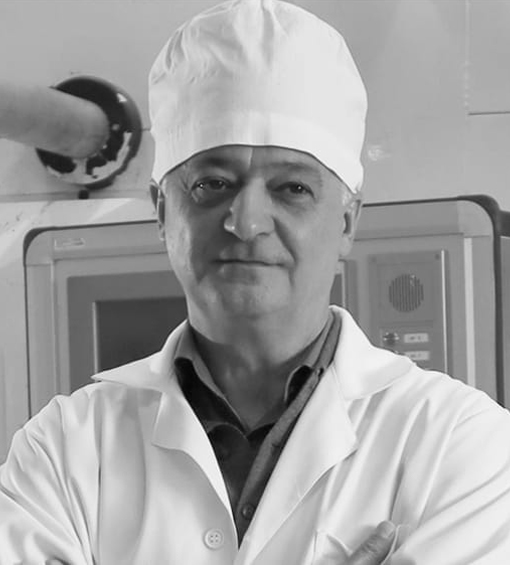
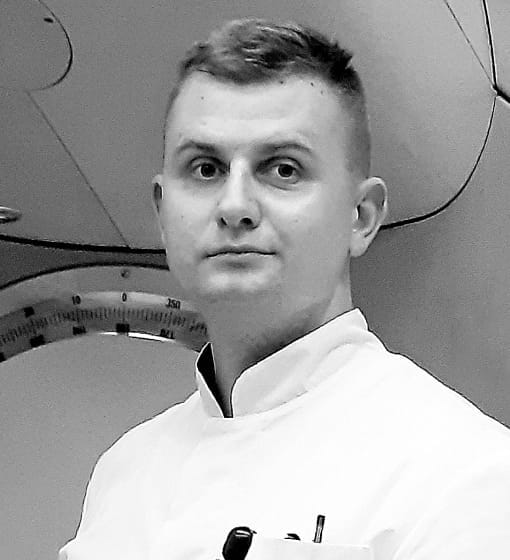
Ever since middle school, I have viewed Mikhail Lomonosov and Dmitry Mendeleev as my role models and heroes. I got into chemistry in my teenage years and no longer wanted any other career for myself. I honor both of the scientists in the most profound way. You see, it all started with them. They did not just stand at the origins of modern science, but, if I may say so, were its very origin. To follow in their footsteps, to follow their routes is both happiness and honor. They are unique — no one could ever be compared to them, but we should strive to be equal to them, have them as role models.
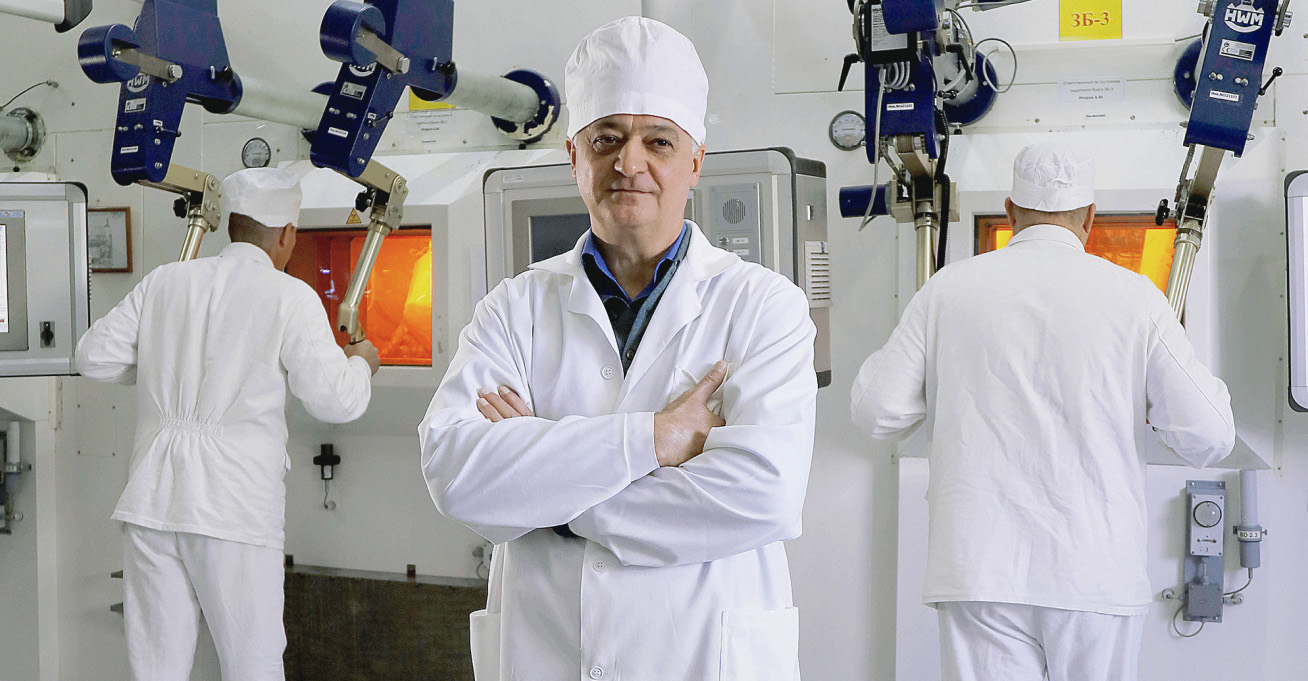
Our department is engaged in producing and releasing radionuclide products and the continuous improvement of their consumer qualities. Here our research activities are included most directly. We produce both the raw material for the manufacture of medical sources of ionizing radiation and manufacture them ourselves. We also make radionuclide drugs used as raw materials for the production of radiopharmaceutical medicines used in radionuclide diagnostics and in treating various diseases — primarily of oncological nature.
This raises the extremely topical issue of the centralized production of radiopharmaceutical drugs and substances on Russia’s territory, which fully meets the requirements of Good Manufacturing Practice (GMP). GMP is a set of rules that the existing enterprises do not fully comply with at the moment. Therefore, Rosatom is currently developing a project (and I will take part in it as much as possible) — of creating a such modern factory. GMP compliance means improving and maintaining the quality of radiopharmaceuticals at an appropriate level, which entails a decrease in possible medical risks. This means that every patient receives the most targeted, effective, and safest treatment in their individual case. Science and life are now inseparable.
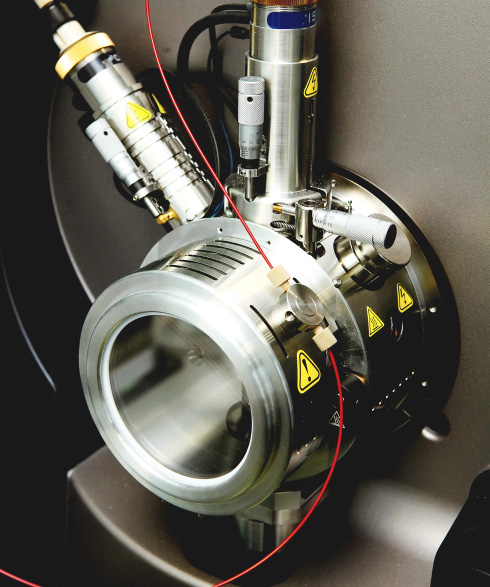
I’m a medical physicist by profession. My colleagues are often teased for being neither medics nor physicists. However, our fundamental education is in physics and mathematics, and the foundations of medical science are already something like a superstructure. There are specific tasks in healthcare that only physics can handle. We solve them. They include radiation diagnostics, therapy of primarily oncological diseases, and some purely practical aspects. And also work with radionuclides and equipment for radiation therapy: settings, calibration, quality assurance.
The data goes from the diagnostician to the radiotherapist, who does not know the principles of ionizing radiation, or how detectors operate, for example. Here the physicists come to their rescue. Because you can’t just take and irradiate a tumor, first, you need to understand how to direct the radiation to maximally irradiate the tumor and minimize the healthy tissue damage. The physicist is connecting the dots between medicine and technology. Together with the doctor, he chooses the optimum plan, makes a simulation on the radiation therapy unit. When everything is translated into procedures, the treatment begins.
I came into my profession the long way. I was born in Kazakhstan and got my first degree in design engineering. But at the very beginning of my studies, I accidentally stumbled upon the IATE website, saw the specialization «medical physics,» and realized that this is what I want to do, that it comes to me naturally. I sowed, so to speak, the seed of this dream into myself. For several years I was preparing, reading something, collecting information. After graduating from the first university, I worked for two years under a contract.
Only after that, I got on the train to Moscow and then passed the exams. Looking back, I can admit it was a gamble. But now I have been here for six years, and I never regretted anything.
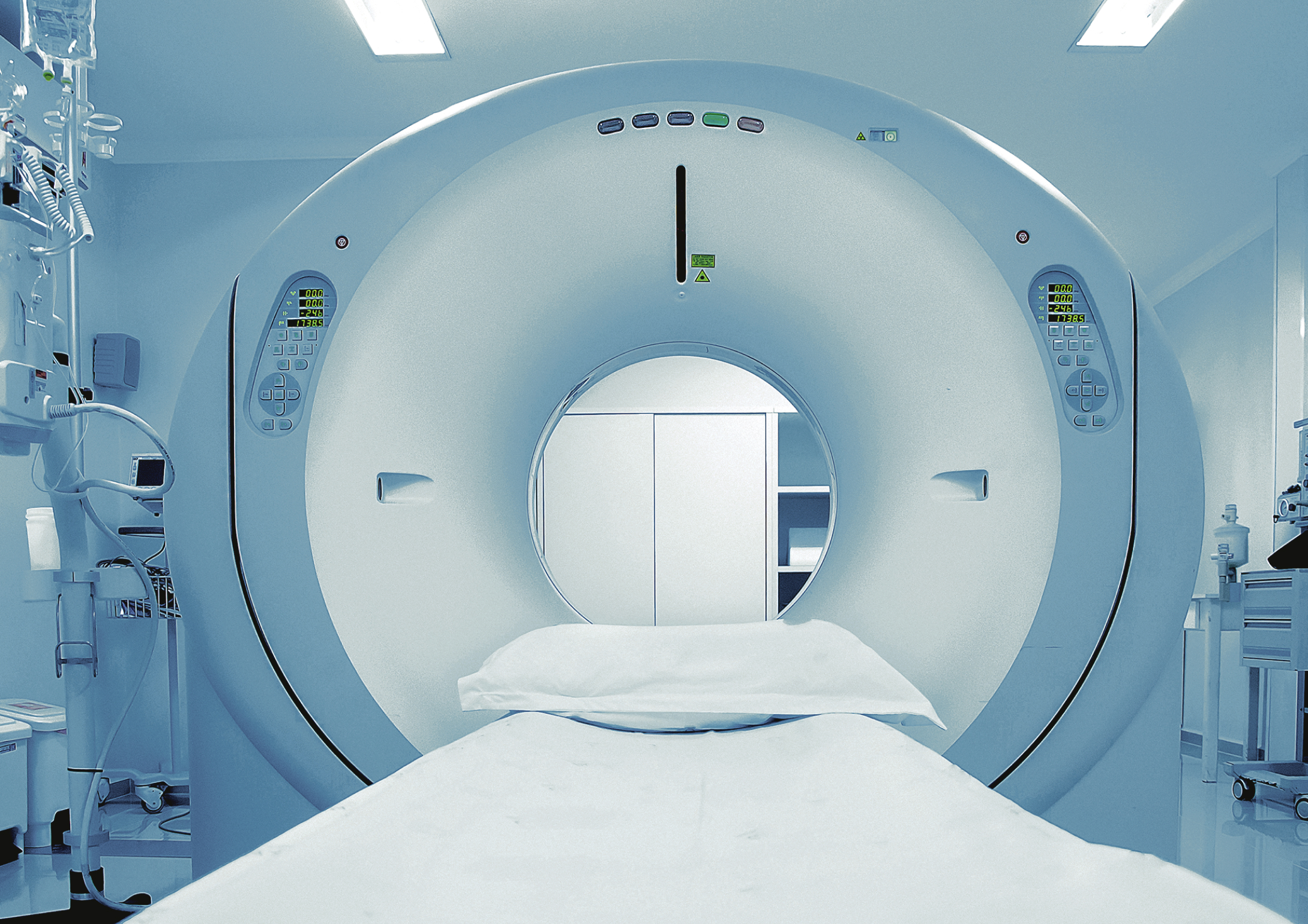
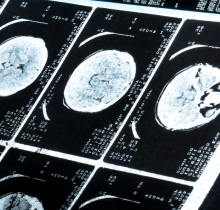
Nuclear medicine is one of the modern areas of diagnostics and treatment using radioactive isotopes. The rays emitted by the isotope highlight those variations in the organ function, which are practically impossible to detect in any other way. With such a diagnosis, it is possible to identify oncological diseases early, allowing successful treatment. The global market for nuclear medicine services is estimated at $80 billion. It is projected to grow to $300 billion in the next six years.
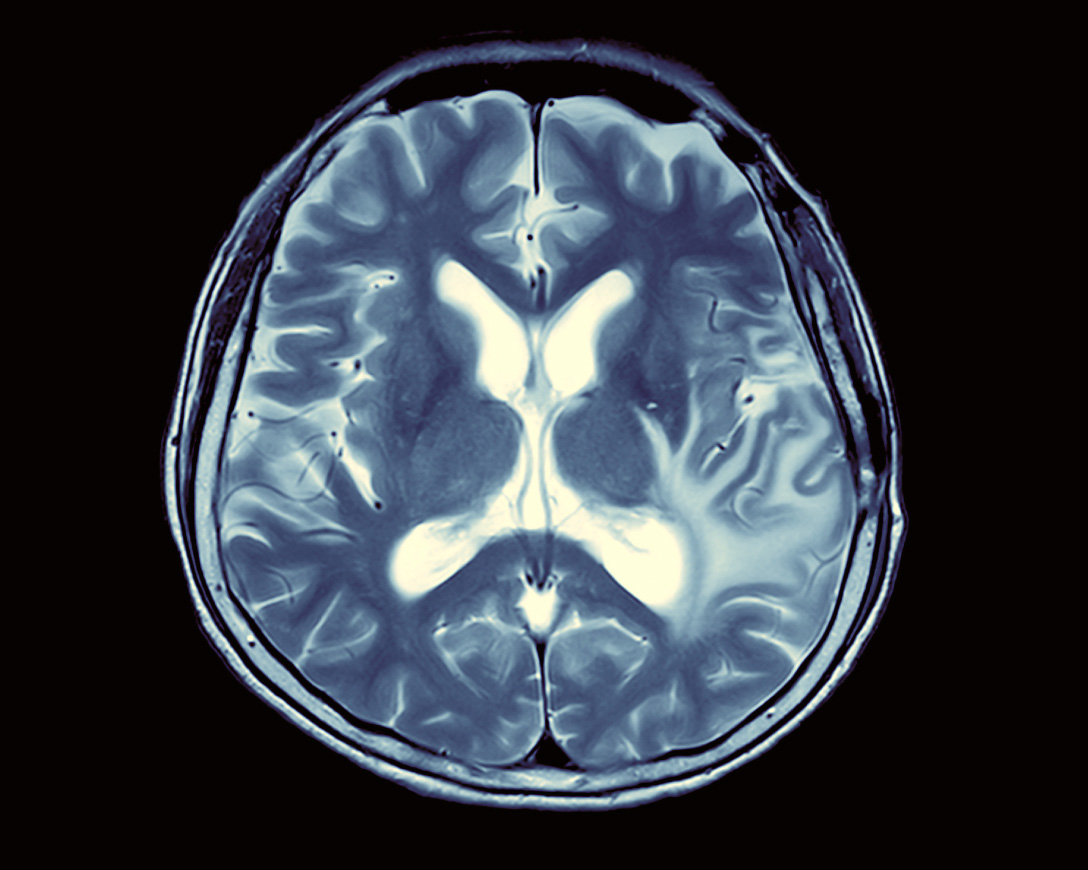
Nuclear medicine includes radiation and radionuclide therapy aimed at destroying cancer cells. Radiopharmaceuticals have a short and minimally harmful half-life to humans. With the latest developments in radiosurgery, for example, the cyber-blade, it is possible to remove a hard-to-reach tumor (even inside the brain) and its metastases without open surgery. Rosatom has extensive experience in working with radioactive isotopes. Therefore the state corporation is involved in developing radiopharmaceuticals, radiotherapy complexes and is working on the creation of nuclear medicine centers in Russia.